From Customer Needs to Product Development: Vanguard UEM for an Automotive Company
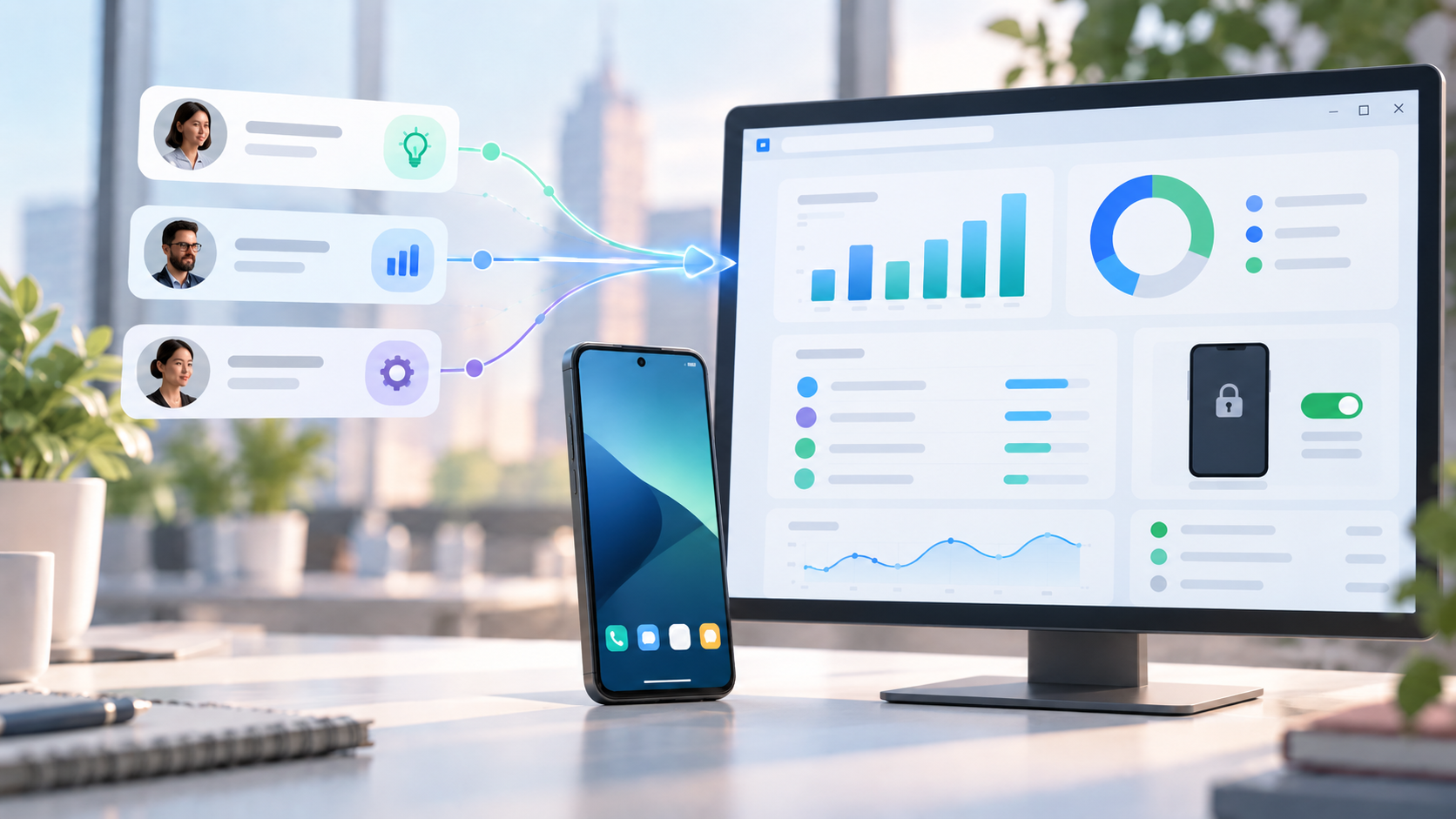
Every company has different needs when managing work devices. Beyond keeping devices secure, companies also need information that helps them understand device usage and assess their operations. At Vostra, customer needs provide valuable input into the development of Android management capabilities in Vanguard UEM.
One example comes from an automotive company that requested several enhancements related to Android device reporting, covering application usage monitoring, screen time reports, and reporting on devices in lost mode. These requirements provide a clear direction for feature development: delivering reports that reflect operational activities and making it easier for device administrators to access the data they need.
Understanding Application Usage During and Outside Working Hours
The customer needs visibility into the five most frequently used applications, with usage separated into working hours and non-working hours based on application screen time. This distinction helps administrators understand the context of device usage. Applications used extensively during working hours may show different usage patterns outside the operational schedule.
The requested features include configurable working hours. For example, a company could define its working schedule as Monday through Saturday, from 9:00 a.m. to 5:00 p.m. The requested report also includes date filters, group filters, and export capabilities, with data retained for two months. These capabilities would allow administrators to review application usage for relevant periods and device groups.
Providing a Clearer View of Device Usage Through Screen Time
To understand how long devices are used, the customer defines device usage for this requirement as total screen time based on application usage. The customer therefore requests for a report within the device list, including group filters, date filters, sorting, and export capabilities.
This structure is intended to help administrators review device usage in one place and select the data they need for further evaluation. Screen time indicates usage duration, while productivity assessments still need to consider the work context and the applications involved.
Revealing Application Details in Monthly Reports
Report summaries make information easier to read, but administrators also need access to more detailed data. For monthly reports, the customer requests an application-level breakdown of the “Others” category in the pie chart. The label would be replaced with “Show More”, which users could click to view all applications.
This request highlights the importance of reports that go beyond summaries. Administrators need to know which applications make up a category to better understand usage patterns. The customer also requests the ability to download raw data in CSV format, supporting further analysis according to the company’s internal needs.
Excluding Devices in Lost Mode from Productivity Reports
A device’s status affects the relevance of its reporting data. Devices in lost mode need to be treated differently from devices used in everyday operations. The customer therefore requests an event to be sent when a device first enters lost mode, along with the ability to sort lost mode reports by date.
The request also specifies that devices in lost mode should be excluded from all productivity reports. The aim is to keep usage evaluations focused on devices relevant to work activities.
Development Guided by Customer Needs
The requests from this automotive company demonstrate how operational needs can provide clear direction for the development of Android management capabilities in Vanguard UEM. From configurable working hours to the exclusion of devices in lost mode, each detail helps define features that align with the way customers manage their devices.
Vostra uses customer feedback to shape feature development around operational needs, translating real-world requirements into features that reflect those needs.